























Principle of Radiant Heating
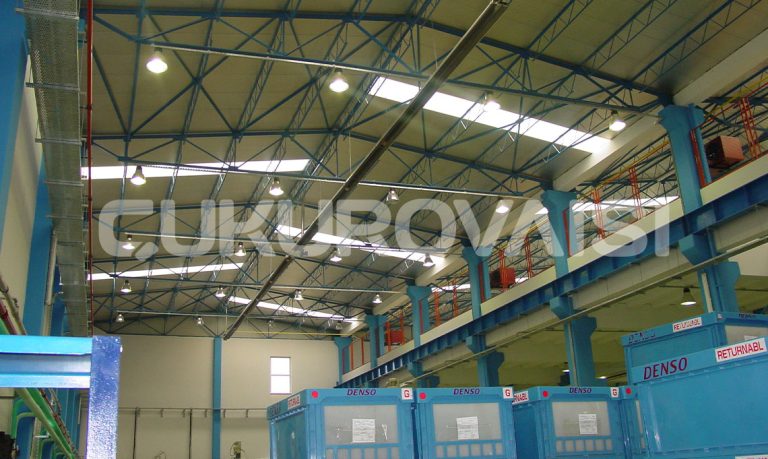
Radiant heating is the process where rays emitted from a surface with high temperature are absorbed by another surface, thereby warming it up. A perfect example of this is the way the Sun heats the Earth. The rays emitted from the Sun’s surface, located 150 million kilometers away, travel through space and then through the atmosphere, ultimately striking the Earth’s surface and transferring their energy to warm the planet. Based on this principle, various types of radiant heaters are used in places where heating is typically difficult (such as high, large, uninsulated spaces, areas with high air exchange, completely open spaces, etc.), achieving highly successful applications.
Working Principle of Tube-Type Radiant Heater
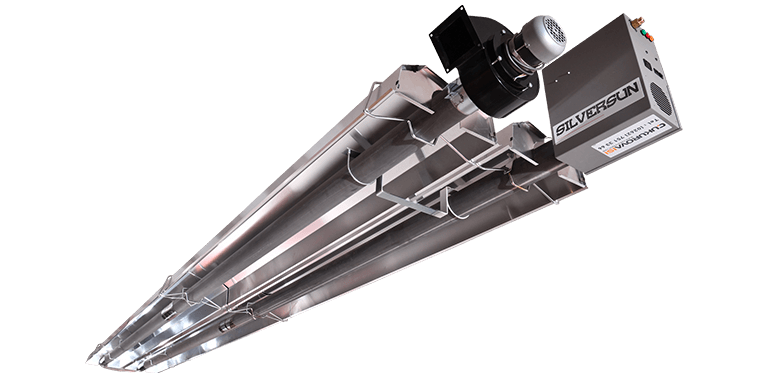
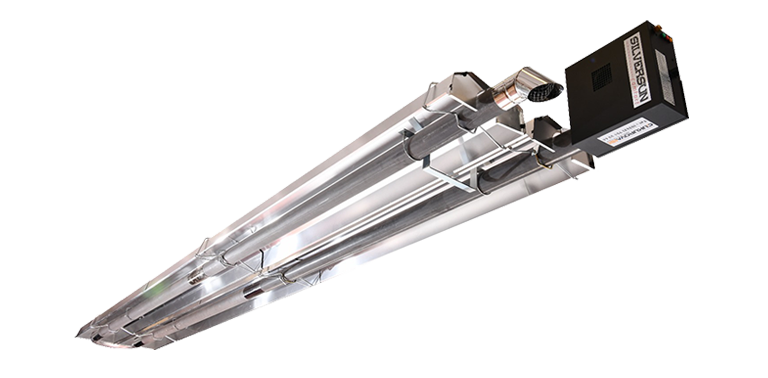
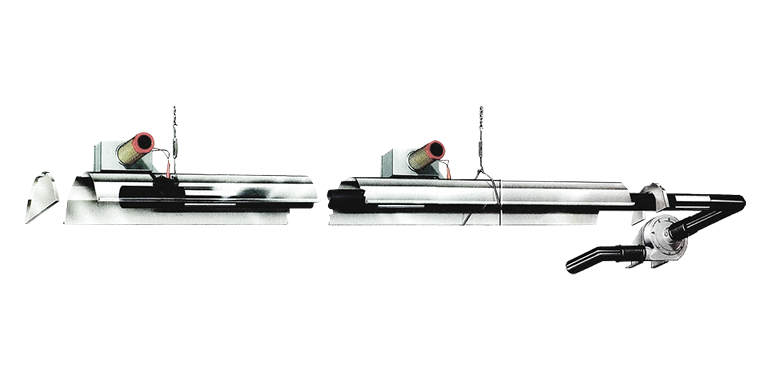
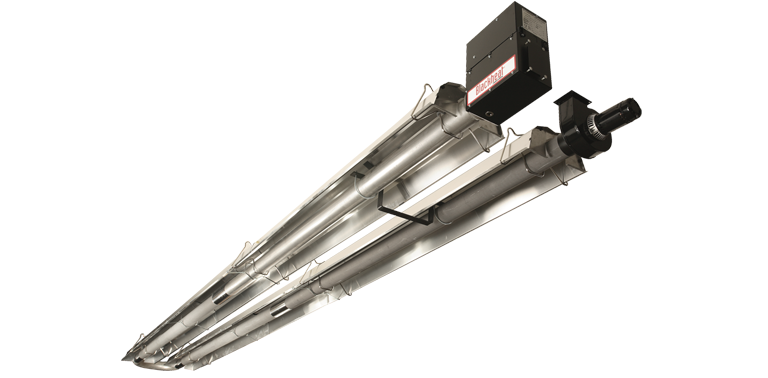
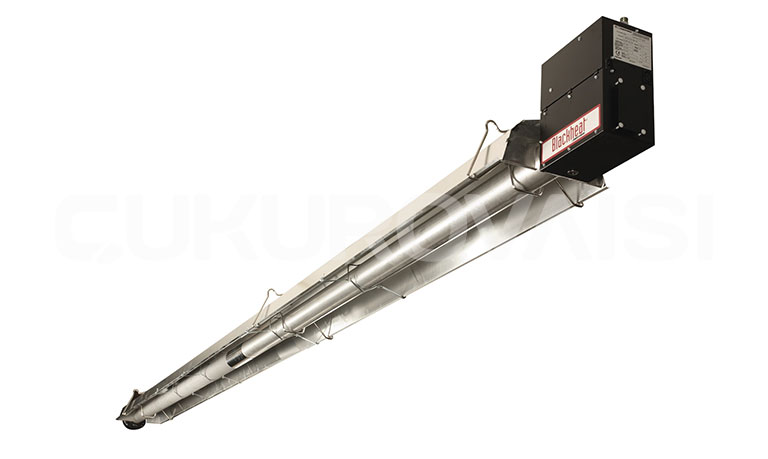
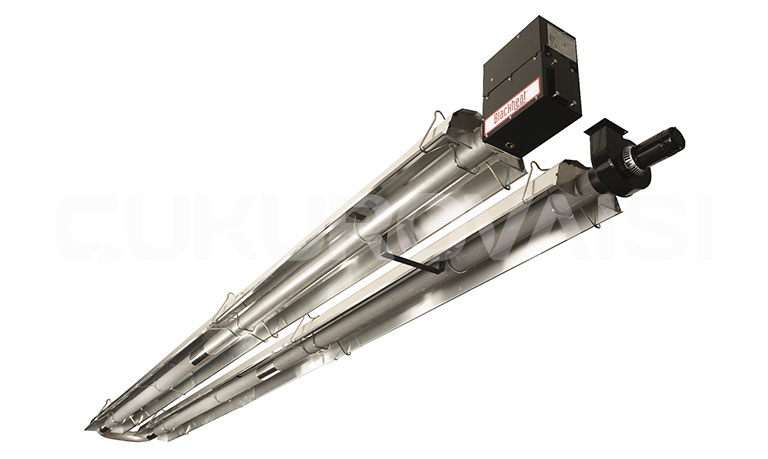
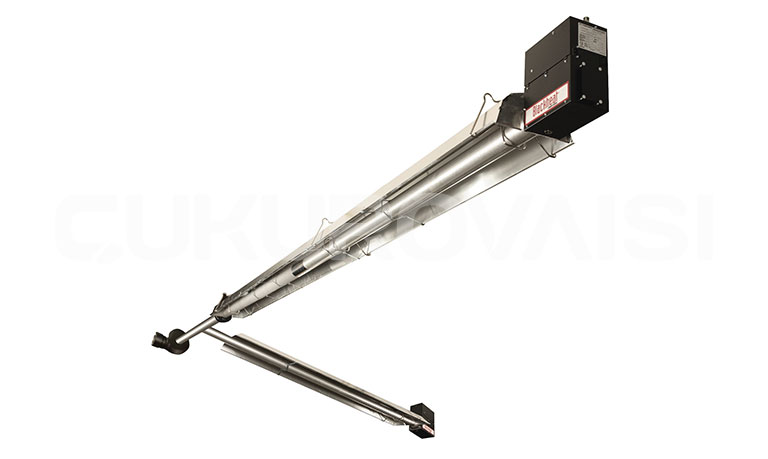
Tube-type radiant heaters consist of four main components: Burner (1), Radiant Tube (2), Reflector (3), and Fan (4). The gas ignited by the burner is circulated inside the tube by the fan and expelled at the point where it cools down. This way, the gas circulating inside the radiant tube transfers its heat to the tube. The outer surface temperature of the radiant tube reaches an average of 300°C. The radiation that begins to spread from the tube is directed downwards through the reflector placed on the tube. The rays, unaffected by air movement, are directed towards objects (machinery, people, ground, etc.), and when they strike these objects, the energy is converted into heat, thus initiating the heating process. A perfect example of this is the feeling of warmth under the sun on a sunny but cold winter day, or the increase in temperature when moving from the shade to the sunlight on a hot summer day, which best explains the radiant heating principle.