The industrial sector is nearing the end of the three-year transition period for the Border Carbon Adjustment Mechanism (BCDM). Starting in 2026, the border carbon adjustment mechanism will be implemented for companies in the iron and steel, aluminum, fertilizer, cement, hydrogen, and electricity generation sectors, which have high carbon emissions. Industrial facilities that fail to meet these requirements will be subject to a tax of 25 percent of their export revenue.
Çukurova Heat Marketing Manager Osman Ünlü highlighted the green transformation investments in the industrial sector and the increase in demand in the electric heater market, months before the main implementation period of the “Border Carbon Adjustment Mechanism.”
The industrial sector, which accounts for approximately 35 percent of Turkey’s energy consumption, is nearing the end of the three-year transition period for the Border Carbon Adjustment Mechanism (BCDM), a key component of the European Green Deal that entered into force on October 1, 2023. With the main implementation period beginning in 2026, financial obligations will arise for the embodied emissions associated with relevant products exported to the EU.
Making a statement as part of Energy Efficiency Week (January 8-14), Çukurova Heat Marketing Manager Osman Ünlü highlighted the green transformation investments in the industrial sector and the increase in demand in the electric heater market, months before the main implementation period of the Border Carbon Adjustment Mechanism (BACDM):
Solar power plant investments increased, the electric heater market gained momentum
The implementation of a border carbon tax is just around the corner. Starting in 2026, a border carbon mechanism will be implemented for companies in the iron and steel, aluminum, fertilizer, cement, hydrogen, and electricity generation sectors, which have high carbon emissions. Industrial facilities operating in these sectors have accelerated their green transformation investments to avoid being subject to taxes of at least 25 percent of their export revenues and to maintain their competitiveness.
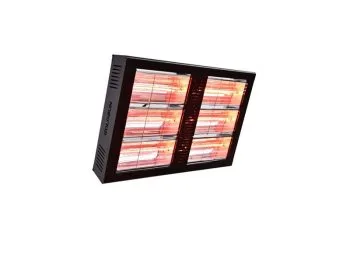
Investments in solar energy (SPP), in particular, have increased. This has also accelerated the electric heater market. Because the amount spent in industry in Turkey Nearly 50 percent of energy is consumed by inefficient heating and cooling systems. For this reason, industrialists prefer to include traditional heating systems in the scope of renovation and utilize the excess energy in heating systems. The choice of industrial facilities in their heating systems is electric heaters, which provide efficient, fast and comfortable heating.
“As Çukurova Isı, we have supported the green transformation steps of many industrial facilities with our free survey and project planning services and our Goldsun electric heaters that provide effective heating, and we continue to do so.”